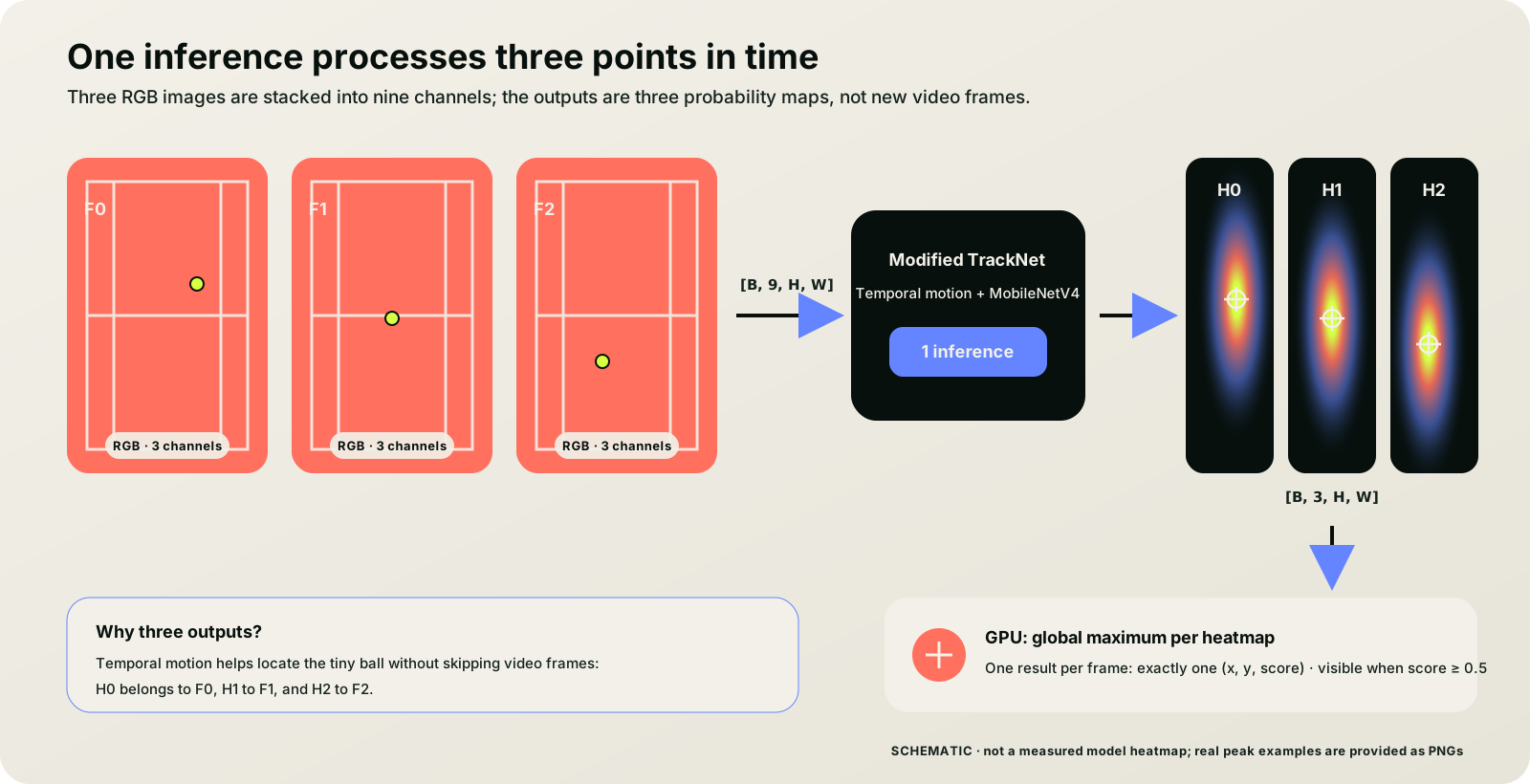
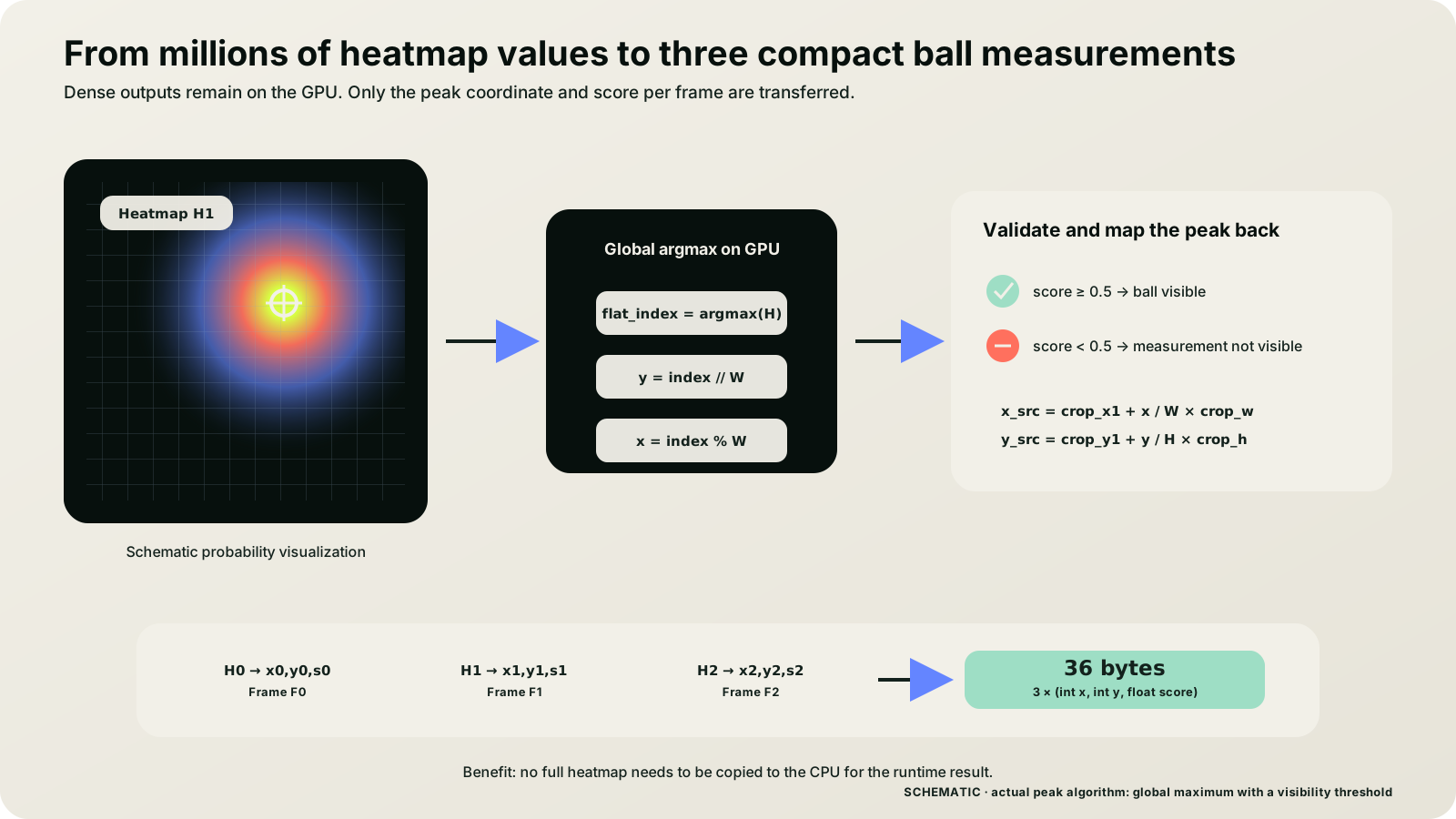
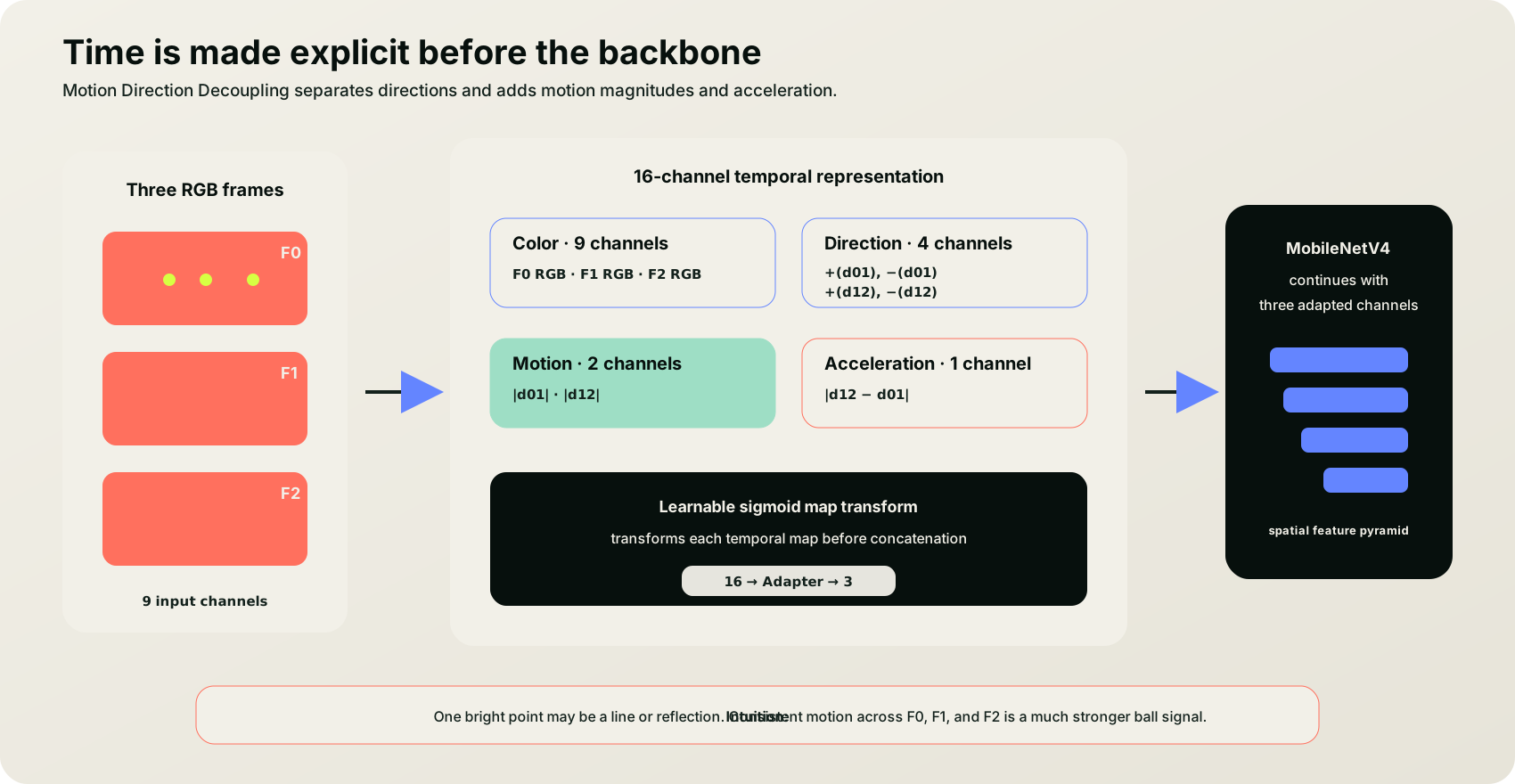
Within each Search or Tight pair, accuracy uses the same loader, labels, held-out games, crop distribution, heatmap target, WBCE and peak metrics. Search counts a prediction as correct within 4 px and near within 5 px; Tight uses 5 px and 7 px. Mean source-frame error covers every visible sample with a returned peak—including far-away wrong peaks—and is not restricted to correct detections. The modified models use an ImageNet-pretrained MobileNetV4 backbone, while the pinned third-party TrackNetV2 PyTorch reproduction starts from random initialization. This is an operational checkpoint comparison, not a controlled from-scratch topology ablation.
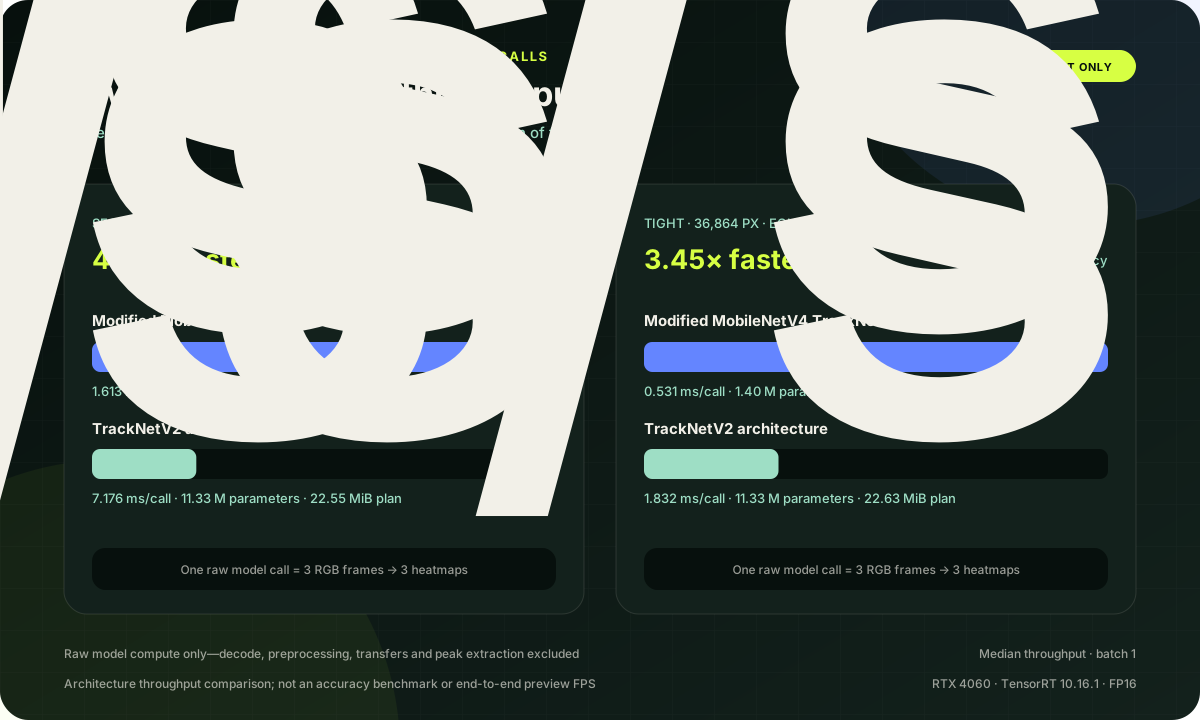
The throughput experiment is separate: five trials of 5,000 GPU-resident TensorRT FP16 calls after 1,000 warm-ups on an RTX 4060. Decode, crop, resize, transfers, peak extraction, state logic, drawing and encoding are excluded. One call emits three heatmaps; calls/s is not end-to-end video FPS. TrackNetV2 Search remains an interim accuracy result until its 200-epoch FP32 run finishes.
The dense TrackNetV2 throughput engines use deterministic initialization rather than the trained accuracy checkpoints; structured sparsity is disabled, so weight values do not alter the dense operator topology being timed. Their H/W order is transposed relative to the modified portrait tensors while retaining the same pixel count.